
AI Era Security Notes
In 2026, attackers use AI to scale phishing and defenders use AI-assisted monitoring. Start with the CIA triad — confidentiality, integrity, and availability — then layer modern controls.
Welcome to Cybersecurity in the AI Era: From Basics to Real-World Defense on Kindson The Genius. In this first lesson you will learn what modern cybersecurity means, why artificial intelligence changes both attacks and defenses, and how this eight-lesson series takes you from everyday safety habits to intermediate real-world skills.
Prerequisites: None — curiosity and a willingness to practice good digital hygiene are enough. Estimated time: 40–50 minutes.
1. Why Cybersecurity Matters More Than Ever
Every day, individuals, small businesses, and global enterprises face ransomware, identity theft, account takeovers, and data breaches. In 2026, attackers also use AI to scale phishing, clone voices in vishing scams, and probe systems faster than ever. Defenders, in turn, use AI-assisted monitoring and automation — but technology alone is not enough. You need a clear mental model and repeatable habits.
This cybersecurity tutorial is designed for beginners and intermediate learners: students, career changers, IT support staff, entrepreneurs, and anyone who wants to protect personal and professional data without drowning in jargon.

2. The CIA Triad — Your Security Foundation
Almost every control you will learn maps back to three core goals:
| Principle | Meaning | Everyday example |
|---|---|---|
| Confidentiality | Only authorized people see the data | Encrypting a laptop; MFA on email |
| Integrity | Data is accurate and untampered | Code signing; backup verification |
| Availability | Systems and data are accessible when needed | DDoS protection; disaster recovery plans |
When you evaluate a security tip — “Should I use a VPN?” or “Do I need full-disk encryption?” — ask which part of the CIA triad it strengthens.
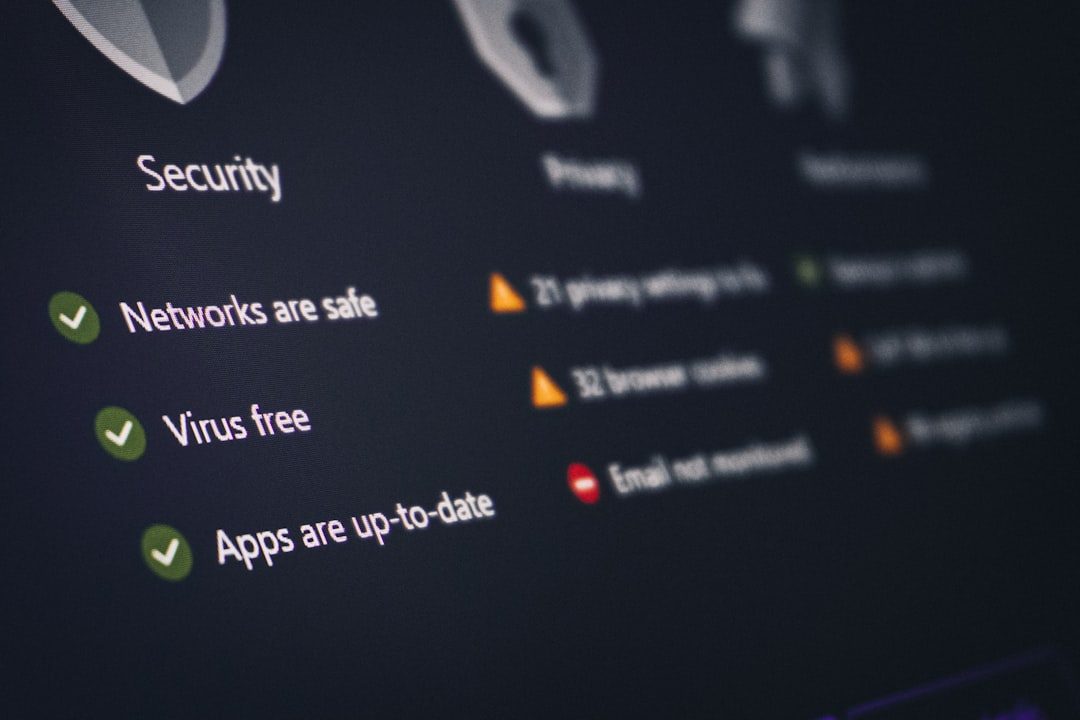
3. How AI Changes the Threat Landscape
Artificial intelligence is not magic, but it lowers the cost of attacks:
- Phishing at scale — grammatically perfect emails in any language, tailored to your LinkedIn profile
- Deepfake voice and video — fake CEO calls authorizing wire transfers
- Automated vulnerability research — faster discovery of misconfigurations in cloud apps
- Malware assistance — attackers use AI to rewrite payloads and evade signatures
Defenders benefit too: anomaly detection, log summarization, and faster incident triage. The lesson series balances AI-aware offense (what can hurt you) with practical defense (what you can do today).
4. Who Are the Threat Actors?
| Actor | Typical goal | Example |
|---|---|---|
| Cybercriminals | Money via fraud, ransomware, card theft | Business email compromise (BEC) |
| Political or social disruption | Website defacement, DDoS | |
| Insiders | Theft, sabotage, negligence | Ex-employee with lingering access |
| Nation-states | Espionage, critical infrastructure | Supply-chain compromises |
As a beginner, most risks you face come from cybercriminals and opportunistic scams — not Hollywood-style nation-state plots. Focus on credentials, patches, and backups first.
5. Defense in Depth
No single tool stops every attack. Defense in depth layers controls so that if one fails, others still protect you:
- Strong authentication (Lesson 2)
- Phishing awareness (Lesson 3)
- Privacy and encryption (Lesson 4)
- Network and device hardening (Lesson 5)
- Cloud identity and zero trust basics (Lesson 6)
- AI-specific threats and countermeasures (Lesson 7)
- Incident response and career paths (Lesson 8)
6. Course Series Overview
| Lesson | Topic | Link |
|---|---|---|
| 1 | Introduction (this lesson) | You are here |
| 2 | Passwords & Authentication | Password Security & MFA |
| 3 | Phishing & Social Engineering | Phishing Awareness |
| 4 | Privacy & Data Protection | Data Privacy Basics |
| 5 | Network & Device Security | Network Security |
| 6 | Cloud & Identity Security | Cloud IAM Basics |
| 7 | AI Threats & Defenses | AI Cybersecurity |
| 8 | Real-World Defense | Incident Response |
7. Starter Security Checklist (Do Today)
- Enable multi-factor authentication (MFA) on email, banking, and cloud accounts
- Turn on automatic OS and app updates on phone and laptop
- Use a password manager — unique password for every site
- Back up critical files to an encrypted cloud or external drive (3-2-1 rule: 3 copies, 2 media types, 1 off-site)
- Review app permissions on your phone quarterly
8. Next Steps
Continue to Lesson 2 — Passwords and Authentication to build the strongest layer of personal and professional defense.
For instructor-led depth, explore paid courses at Alkademy.
Frequently Asked Questions
What is cybersecurity in the AI era?
Cybersecurity in the AI era means protecting confidentiality, integrity, and availability of data and systems against both traditional attacks and new AI-powered threats like automated phishing and deepfakes.
Do I need a technical background to start?
No. This series begins with everyday habits and progresses to intermediate topics like cloud identity and incident response.
Is this course enough to get a cybersecurity job?
It builds a strong foundation. For careers, add hands-on labs, networking knowledge, and entry certifications such as CompTIA Security+ (covered in Lesson 8).
New to cybersecurity? Start with Lesson 1 — Cybersecurity Introduction.
Want live cybersecurity classes? Join Alkademy for instructor-led cybersecurity courses with hands-on projects.